Transportation
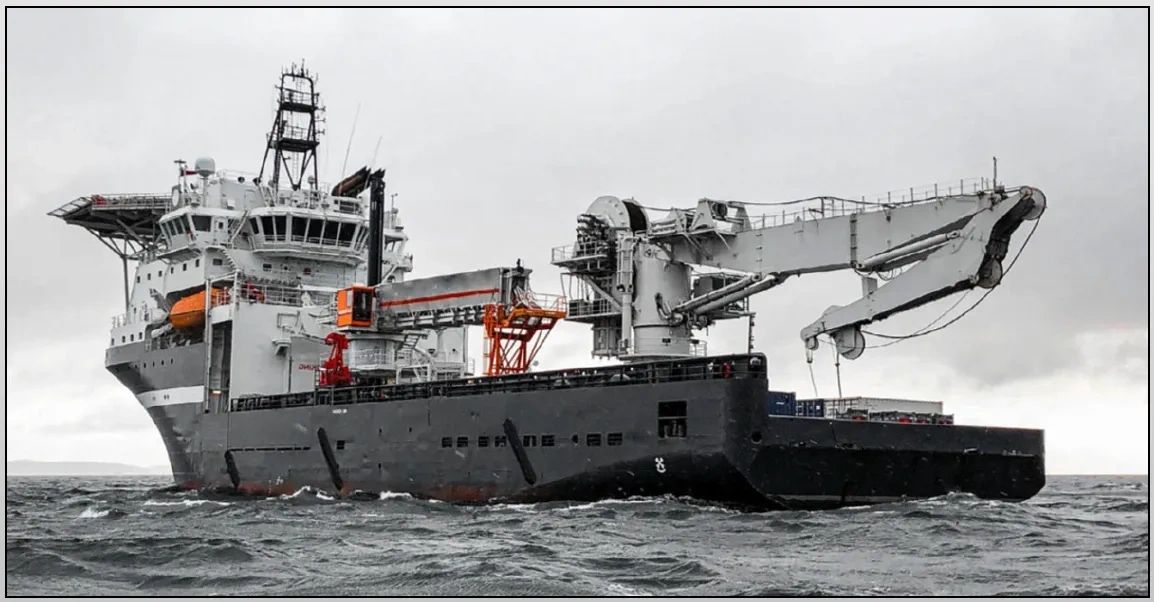
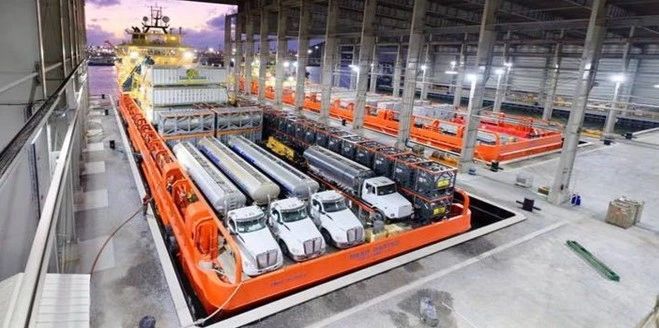
Transport of equipment is what many OSVs are designed to do. Their size and multi-purpose functionality allow them to carry and offload a variety of equipment and supplies with minimal structural changes or modifications.
Equipment
Generators, vehicles, containerized housing, and medical facilities.
Supplies
Medical supplies, food, survival equipment, response support, and shelters.
Personnel
Responders, specialized medical personnel, and security personnel.
Assessment & Survey
Access to disaster areas may be limited due to infrastructure damage. Vessel-based remote assessments can assist in coordinating safe and efficient response operations based on needs and accessibility.
ROVs
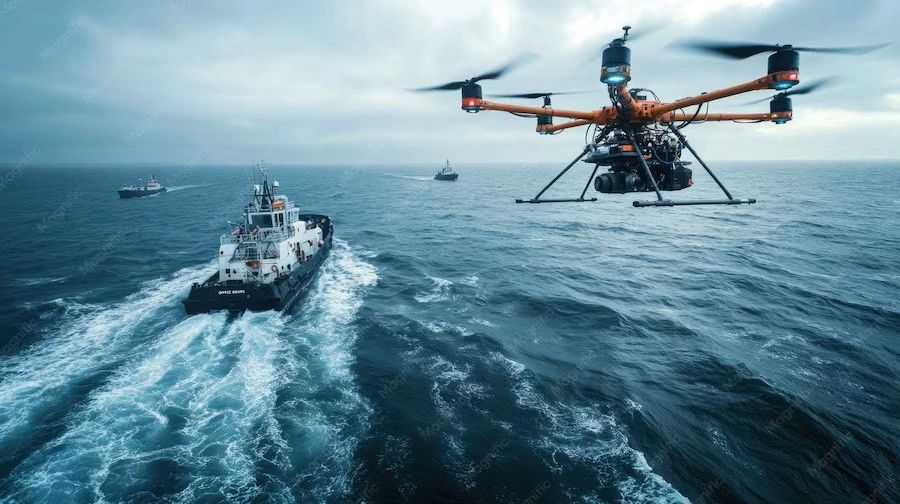
Waterways often serve as direct access to disaster-impacted regions. ROVs launched from shallow-draft vessels can survey harbor areas and inspect subsea infrastructure to support logistics operations.
Aerial Drones
Vessel-launched aerial drones can locate individuals in danger and provide early damage assessments to determine the best response approach.
USVs
Where larger logistics operations may be unsafe or impractical, Unmanned Surface Vehicles can be deployed from vessels to support search and rescue, damage assessment, and environmental monitoring.
Firefighting
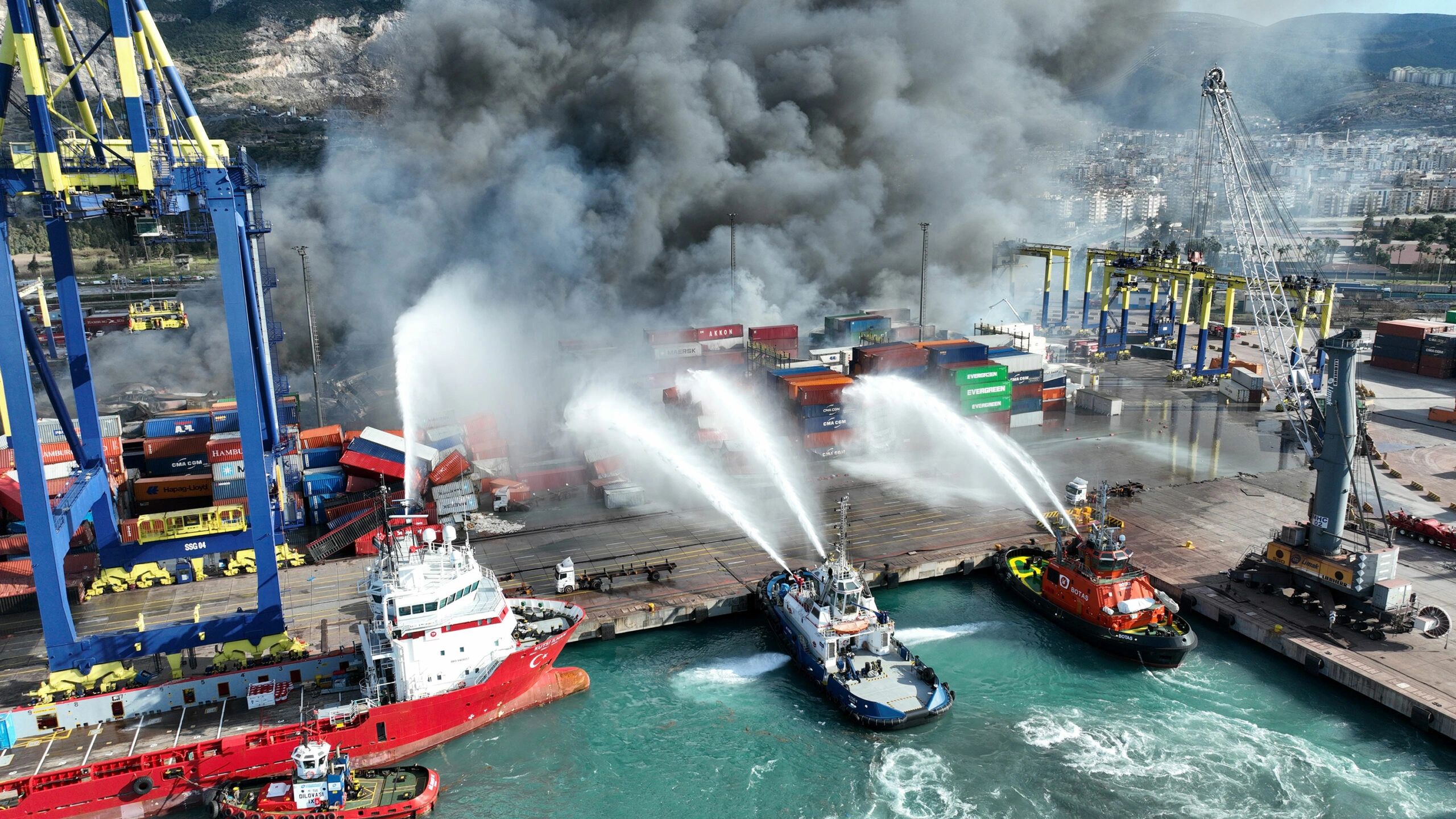
Many OSVs are equipped with firefighting capabilities designed to battle structural blazes from a safe distance. This same functionality can be applied in port facilities when shoreside capabilities are limited.
Waterfront Firefighting
FiFi-equipped vessels can serve as firefighting and rescue assets for ports and harbors during disasters, accessing areas that land-based fire engines cannot reach.
Hazardous Materials
Oil spills and chemical releases often accompany other types of disasters. OSVs and workboats are often equipped with containment and cleanup equipment.
Coordination
Vessels in port facilities can integrate with response agencies, serving as a command post, directing firefighting operations, and coordinating evacuation efforts.
Accommodations
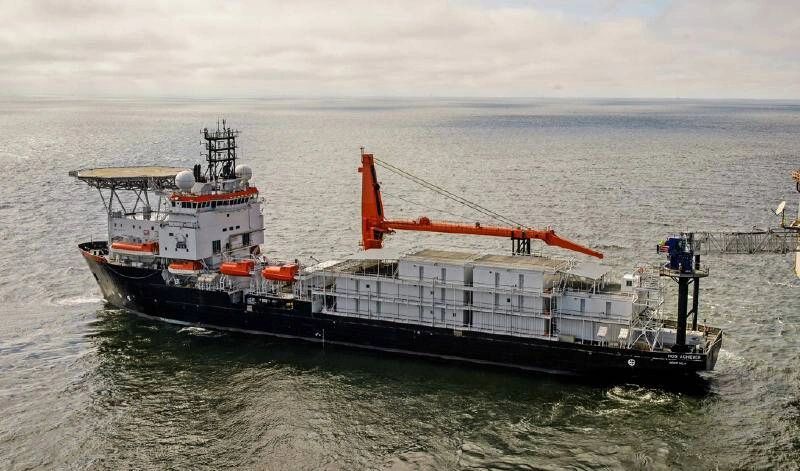
In the aftermath of a disaster, damaged infrastructure can leave large numbers without shelter. OSVs and other nearby assets can be used to house displaced families, medical personnel, first responders, and construction teams.
Accommodation vessels can be relocated or redeployed as needs change, making them adaptable to shifting disaster zones or as recovery work progresses
Command & Control
During complex crises, multiple agencies must operate in unison. Modern offshore vessels are equipped with satellite communications and facilities, allowing commanders to assess the full scope of the incident and direct resources efficiently.
Medical Facilities
Onboard medical facilities function as mobile triage and treatment centers, essential for rapid response, capacity building, and sustained medical support in disaster-impacted areas.
Housing
Vessels offering accommodations provide rapid, secure, and scalable temporary housing for responders and displaced people.

Fuel & Water Supply
Supply vessels are designed to transport fuel and water to offshore facilities. Their design capabilities and shallow draft make them ideal for rapid deployment in emergencies to deliver critical resources to affected areas.
Internal
Internal storage tanks and transfer pumps mean OSVs can supply large volumes of fuel and water to port facilities, supporting emergency operations in communities cut off by infrastructure damage.
External
Large, open decks allow vessels to transport fuel, water, and personnel. Vessels are often equipped with onboard cranes for self-unloading and transfer.
Potable Water
Vessels equipped with water makers can generate potable water from seawater, providing a continuous supply of fresh water in support of long-term response operations.
So Much More
OSVs and marine assets vary widely in capability and can serve a multitude of purposes in disaster and humanitarian response scenarios.
Let us know your needs, and we can assess the industry's resources and capabilities.